

Decommissioning: A Smarter Way to Exit Your Space

When a company relocates, most attention goes to the new space: the layout, furniture, technology, and first day of operations. But successfully exiting the existing location requires its own plan. Furniture, equipment, records, and leftover materials must be addressed before the space is ready to turn back over to the landlord.
Decommissioning is the overall process of taking your existing workplace out of service and preparing it for handover. It brings together furniture and equipment removal, cleanouts, reuse and donation, recycling, and disposal under one coordinated plan. Depending on your lease and agreed scope, it may also require coordination with contractors on repairs or other requirements.
What does decommissioning include?
- Furniture and equipment removal involves dismantling and removing workstations, desks, shelving, and other assets. Items may be relocated, placed in storage, or directed toward reuse, recycling, or disposal.
- Cleanouts clear the remaining contents of storage rooms, filing cabinets, supply closets, and common areas, including the miscellaneous items that accumulate over years of occupancy.
- Reuse and donation give usable furniture and equipment a second life through redeployment within your organization or donation to select charities and nonprofit organizations.
- Recycling directs eligible materials, such as metals, cardboard, and certain electronics, to appropriate providers. Separating these materials during the cleanout supports sustainability goals and reduces general waste.
- Disposal addresses items that cannot reasonably be reused or recycled. It is one part of decommissioning, after other practical options have been considered.
How to manage the process and avoid common pitfalls
- An empty office is not always ready for handover. Removing wall-mounted screens, cabling, signage, and fixtures can expose damage that needs repair. Confirm the expected condition in writing and leave time before the final inspection for repairs.
- Do not assume furniture can stay or that someone will accept it as a donation. Future tenants have their own needs, condition standards, and timelines. Confirm donations before scheduling pickup and have a backup plan. Get written approval for anything you plan to leave behind and identify leased equipment that must be returned.
- Check how items will leave the building. Large furniture may need dismantling to fit through doors and freight elevators. Building rules for insurance, loading docks, and after-hours work can also affect timing and cost. Have your removal partner confirm these details before crews arrive and keep utilities and access on through completion.
Where to start – 3 Steps for Success
- Confirm your move-out deadline and expected handover condition. Walk through the space with your facilities team, property manager, and decommissioning partner to clarify what must be removed, what can stay, and who handles repairs
- Identify which furniture, equipment, and materials will move, enter storage, or be considered for donation, recycling, or disposal. Explore donation options; some organizations may have limits on what they accept and when, so pickup and acceptance should be confirmed before your schedule is finalized
- Bring these decisions into one scope and schedule, with a clear owner for each task and time for a final inspection before returning the keys.
How we can help
If your organization is planning a relocation, renovation, consolidation, or office closure, now is the time to begin preparing for the decommissioning process. Wakefield works alongside your project team from the earliest planning stages through final turnover, helping coordinate furniture and equipment removal, cleanouts, recycling, donations, and space readiness requirements. Our goal is to help ensure a smooth transition, minimize disruption, and leave your space ready for handover. Please reach out at info@wakefieldmoving.com.
Related Services
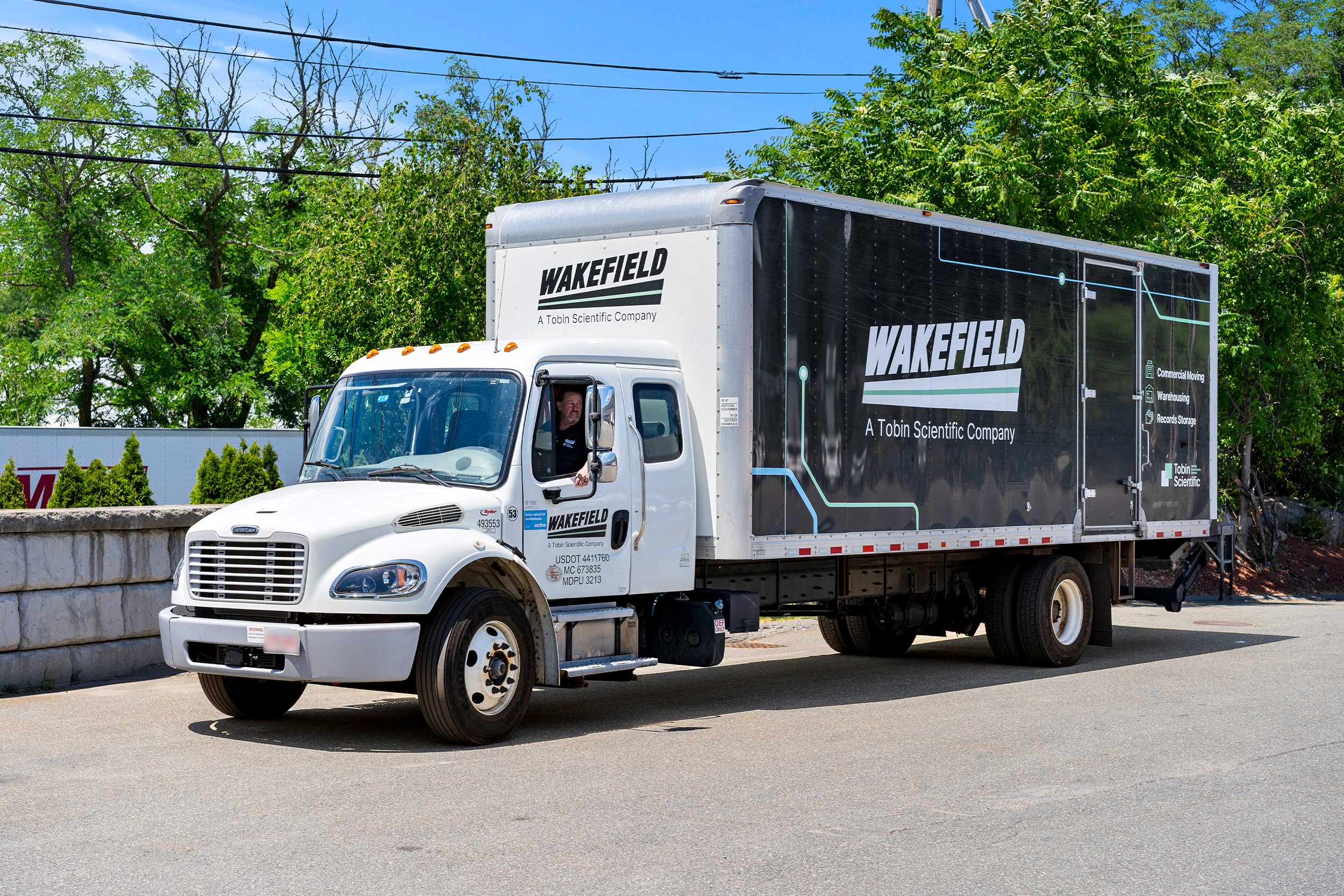
Moving Services
Professional relocation services for commercial, academic, laboratory, and high-tech environments.
Professional relocation services for commercial, academic, laboratory, and high-tech environments.
Moving Services

Logistics & Installation
Professional delivery, receiving, installation, and project coordination for commercial environments.
Professional delivery, receiving, installation, and project coordination for commercial environments.
Logistics & Installation
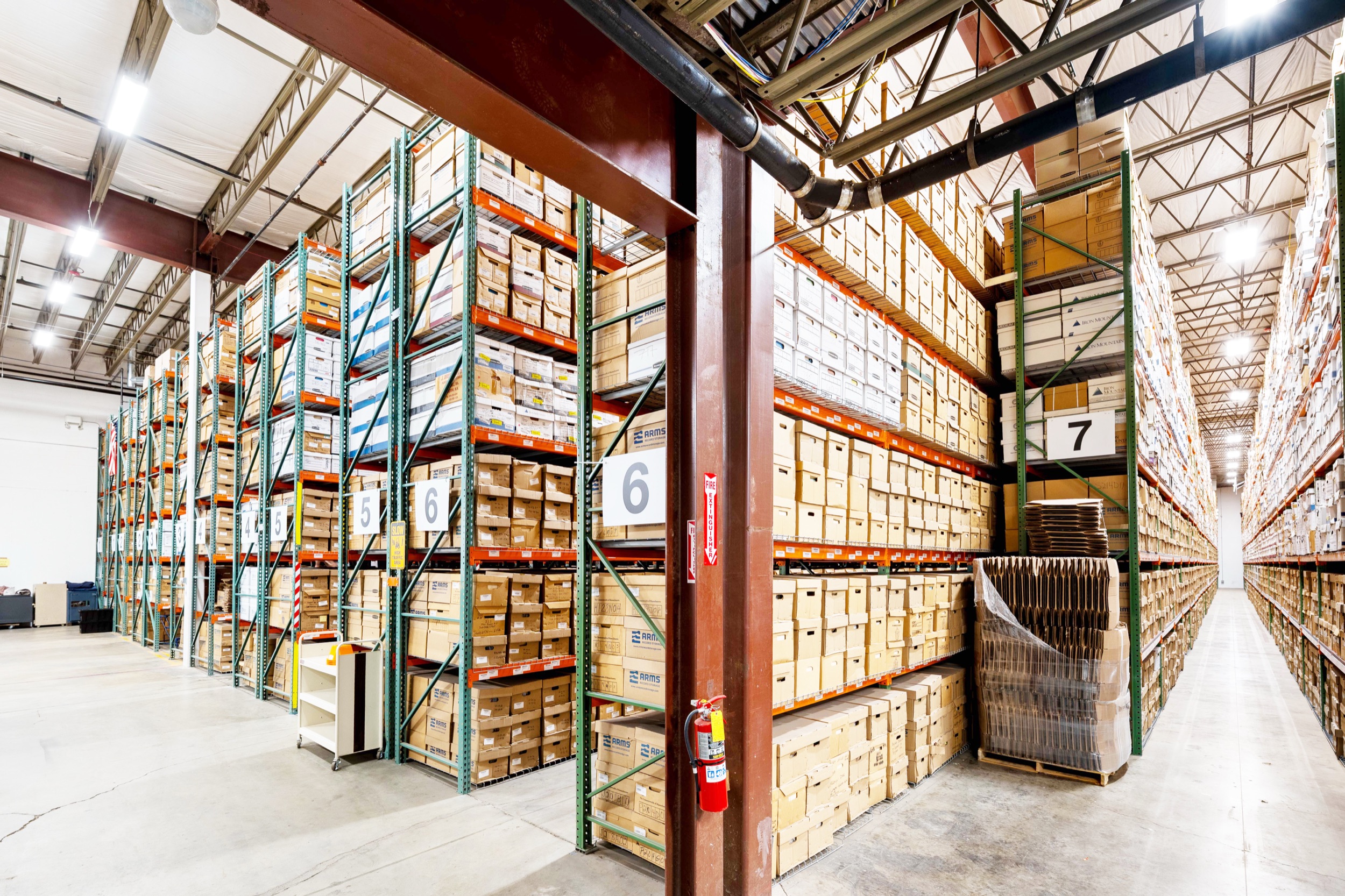
Warehousing & Storage
Secure short- and long-term storage for furniture, equipment, and business assets.
Secure short- and long-term storage for furniture, equipment, and business assets.
Warehousing & Storage